


Community Economic
Approximately 800 million people live on less than $1.90 a day. Rotary members are passionate about providing sustainable solutions to poverty.
ROTARY PRODUCTION CENTERS
Sustainable Social Production Model

Rotary Production Centers, which detail Rotary International's core focus on economic and social development, aim to create income generation and sustainable impact by going beyond the traditional aid method. This model transforms those in need into productive individuals rather than simply providing support.
1. Definition
Rotary Production Centers are a modular Rotary development model that enables the transformation of unused containers and empty or low-return production units into income-generating social enterprise units.
The fundamental difference of this approach is that it establishes a chain of "Resource → Training → Production → Branding → Sales → Income → Reinvestment" as an alternative to the traditional aid logic. Thus, the project provides only short-term support; the active involvement of the units in an economically vibrant way also contributes.
2. Main Purpose
• Small details create sustainable income opportunities for women, individuals aged 18-30, and disadvantaged individuals.
• Transforming the economic value of idle resources.
• Offering a repeatable and categorizable model for Rotary clubs.
• To connect local production with local and corporate sales, thereby making social impact sustainable.
3. Working Logic
The system can be based on a simple but powerful framework: a pre-available resource can be identified; a production module suitable for the next part and piece is selected; finally, it is made functional from the center by adding training, pricing, sales, and appearance steps.
• Resource: Container, empty space, workshop, or low-cost physical space
• Production: Management, food, textile, handicraft, or support modules best suited to the target audience and region
• Participant group: Women, individuals aged 18-30, individuals with diverse characteristics, and RTBs (Randomly Accepted Businesses).
• Project Partnership: NGOs, Municipalities, Development Agencies, IPAC, Rotary Global Grant
• Revenue model: Local sales, corporate sales networks, market, fair, packaged product, or regular promotional channel

RURAL DEVELOPMENT PROJECTS
Rural development, in its broadest definition, is the process of increasing the economic and social well-being and quality of life of individuals living in rural areas. Considering the average age of farmers in our country, which is currently around 55, a model of work and support aimed at making farming an attractive profession for young people (40 years and under) living in rural areas has been adopted.
The aim of our projects is to support the entrepreneurship of young farmers, increase their income levels, create alternative income sources, support agricultural production projects that will contribute to the employment of young people in rural areas, and thus ensure "sustainability in agriculture".
1. Livestock Projects. 3. Women's Empowerment Projects
2. Projects for Plant Production 4. Other Projects
LIVESTOCK PROJECTS
Animal Support Projects
Project Description: The aim is to economically empower disaster-stricken or low-income families... Specifically, it is planned to provide economic support to members of the Rotary Community Association to be established by providing animal support.
-
Donation of dairy cows
-
Donation of sheep (East Friesian sheep, Lacaune sheep, etc.)
-
Donation of goats (Aleppo goats, etc.)
-
Donation of chicken coops and chickens
-
Silkworm Farming Project

Animal Feed Donation Project
Project Objective: The aim of this project is to support the economic income of villagers in need who are engaged in livestock farming by donating animal feed.

Beehive Donation Project
Project Description: Specifically, to promote modern beekeeping in villages, beehive donations should be made, and training on honeybeekeeping and women beekeepers should be explained at RTB (Rural Development Project) events. Beekeeping is an important income-generating project that has become widespread in recent times.
Project Objective: The aim of this project is to improve the income levels of families living in rural areas by creating equipment, improving the capacity of existing equipment, ensuring hygienic production, guaranteeing safe and sustainable food security, and increasing honey quality.

Donation of Feed Crushing Machine
Project Objective: The aim of this project is to donate a feed crushing machine to the Village Rotary community association to meet the feed needs of animals and to obtain it at a lower cost.

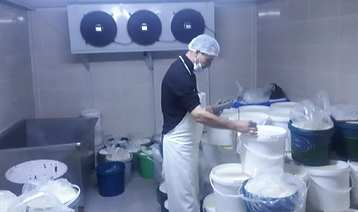
Establishment of Village Dairy Center
Project Objective: To establish village milk centers through Rotary community associations and to implement a project for increasing milk production capacity, modernizing technology, and establishing a quality management system in these milk centers.
Agricultural Equipment Donation Project
Project Description: The aim is to economically empower disaster victims or low-income families... Specifically, the goal is to donate vocational tools and aid materials to members of the Rotary Community Association and cooperative to be established.
(Donation of pneumatic plows, seeders, silage machines, etc.)

PROJECTS RELATED TO PLANT PRODUCTION
The aim is to economically empower disaster victims or low-income families... Specifically, it is planned to provide economic support to members of the Rotary Community Association to be established by supporting plant production.
Plant production can be categorized under the following headings:
-
Construction of enclosed fruit orchards,
-
Cultivation of medicinal and aromatic plants,
-
Viticulture,
-
Controlled greenhouse cultivation,
-
Mushroom production,
-
Fruit and vegetable drying and packaging facilities.
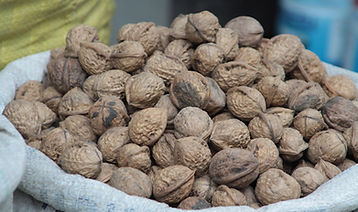
Organic Walnut Cultivation Project for Poverty Reduction and Rural Women's Empowerment
Project Objective: The project aims to support young couples and women in newly married couples and to promote their economic independence by increasing walnut production, which is in high demand in the domestic market, and to ensure the production of high-quality raw materials, especially for the pastry and bakery industries.
Municipalities can be project partners.
Fruit Growing Development Project
Project Objective: The aim of this project is to create alternative livelihood opportunities for low-income families living in rural areas or to strengthen farmers engaged in fruit farming, thereby improving the quality of life in the region, developing agriculture, and encouraging employment.
Within the scope of the project, raspberry production should be improved by providing families with fruit saplings suitable for the region.

Raspberry Growers Support Project
Project Objective: The aim of this project is to support the cultivation of fruits like raspberries and blackberries, which are in constant demand for foreign trade and can be sold at high prices, and to provide support to newly married young couples and needy families, especially women, and to promote their economic independence.

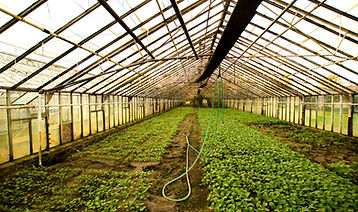
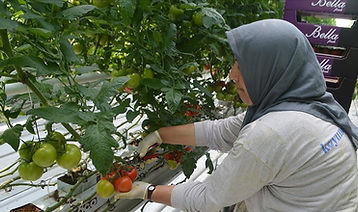
Project for Supporting Women's Participation in Development Through the Expansion of Greenhouse Cultivation
Project Objective: The aim of this project is to develop the commercial activities of families in need (especially women) through innovative production methods (covered cultivation) and to empower them socio-economically.
Municipalities can be project partners.
Project for Improving the Quality of Life of Urban Retired and Disabled Populations Through Soilless Vertical Farming Practices
Project Objective: The project aims to develop sustainable principles that will improve the quality of life and health of the most disadvantaged social groups in order to reduce urban and rural poverty.
Public groups include retirees living in city centers who are disadvantaged by the retirement system, people with disabilities, and women. The project, implemented in three phases – training, monitoring, and support – under the supervision of a consultant, will involve establishing soilless vertical farming systems for families, initiating the process of growing fruits and vegetables such as strawberries, colorful leafy lettuce, spinach, basil, tomatoes, and celery in the first season.
The project offers long-term economic sustainability for socially disadvantaged groups, not only economically but also in terms of health benefits due to the freshness of the produce, the elimination of pesticides and plant protection, the ability to combine agricultural activities with household chores, and the suitability of vertical systems for people with disabilities or limited mobility. Furthermore, the creation of urban gardens in city environments and apartment buildings will reduce environmental pollution, create diverse biological habitats, provide natural insulation, and thus help reduce heating and cooling costs during winter and summer.
WOMEN'S EMPOWERMENT PROJECTS
Support for Women Entrepreneurs Project
Project Description: This project aims to develop agriculture, create employment, encourage women entrepreneurs to participate in the economy, and support family economies.
Within the scope of the project, drying ovens and plant and fruit grinding machines can be provided to increase the production capacity for organic plant drying in RCC or existing cooperatives. Subsequently, sales stands should be established at various events and municipal sales areas to contribute to the marketing process.
Furthermore, this project encourages women to cultivate medicinal and aromatic plants, providing them with the opportunity to support their family economies.
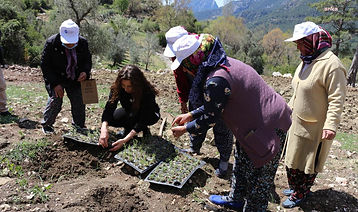
Income-Generating Projects for Women
Project Description: The aim is to economically empower women in disaster-affected or low-income families... Specifically, the goal is to donate vocational tools and aid materials to women in the Rotary Community Association to be established.
-
Steam Press Iron Donation Project
-
Overcoat Making Machine Donation Project
-
Carpet Loom Donation Project
-
Sewing Machine Donation and Sewing Course Project
-
Shoe Upper Making Machine Donation and Shoe Upper Making Course Project

Establishment of Income-Generating Production Workshops for Women or Increase and Innovation in the Production Capacity of Existing Workshops
Project Description: The aim is to economically empower women in disaster-affected or low-income families... Specifically, it is planned to donate vocational tools and aid materials to women in the Rotary Community Corps that will be established.

Controlled Greenhouse Cultivation Project
Description: The project aims to provide greenhouse construction and greenhouse farming training. It can sell ornamental plants to municipalities.
The project aims to provide direct agricultural support to low-income people living in agricultural and rural areas, enabling year-round crop cultivation. This will contribute to the production of small households, revitalize the regional economy, and improve living conditions and job opportunities in rural areas within the relevant municipalities.

OTHER PROJECTS
Project for the Expansion of Vermicompost Production
Project Description: Vermicompost is a soil conditioner and valuable plant nutrient produced by a specific type of earthworm known as the California Red Worm, based on their ability to alter the physical and chemical structures of livestock manure and organic plant materials. Interest and demand for vermicompost production have been steadily increasing in recent years.
Project Objective: To establish a California red worm farm in a pilot village or farm.

Project for Establishing a Tourist and Cultural Ecological Facility
Project Objective: To contribute to raising the income level of the population and integrating rural areas into tourism. To create alternative tourism areas in regions with high tourism potential, preventing the decline of tourism potential. To create a sustainable living space in harmony with nature, with minimal intervention in the natural environment, while prioritizing ecology. To contribute to the widespread adoption of ecological living spaces within the region and the country. Thus, to reduce youth unemployment and contribute to lowering the unemployment rate, particularly by creating employment opportunities for disadvantaged groups.
